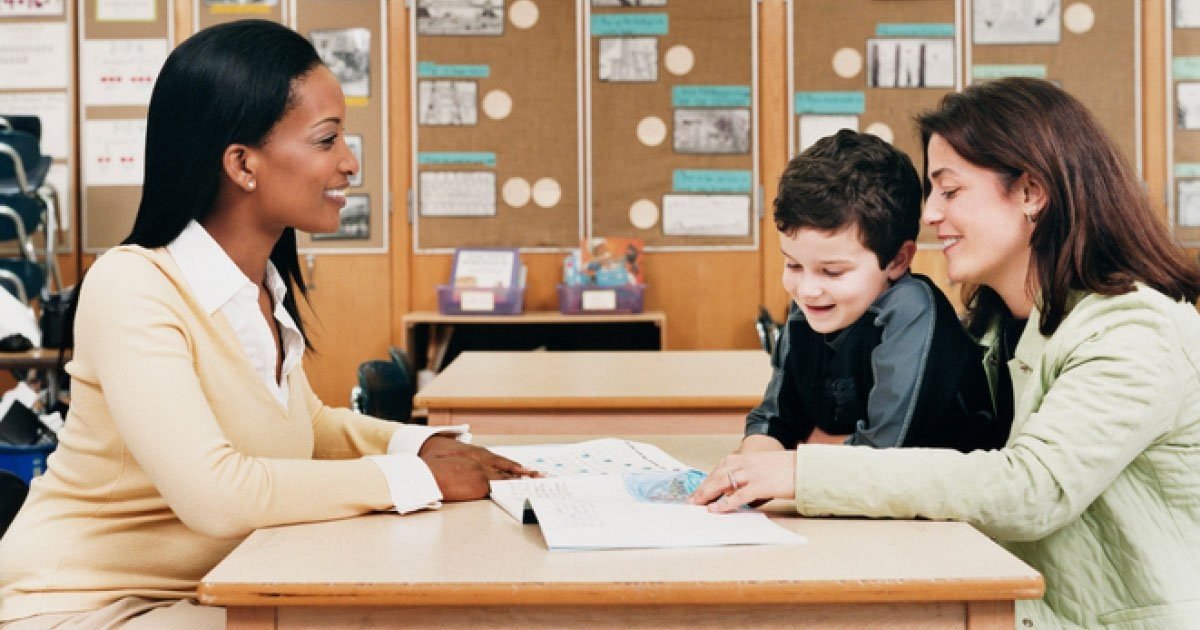
Teacher Parents Guide at the same time comes with unique challenges. You juggle lesson plans, grading, and classroom responsibilities while guiding your own child’s growth at home. It’s easy to feel stretched, stressed, or unsure how to balance both roles effectively. This guide will help you manage your time, support your child’s learning, and maintain a healthy family life—without burning out. Whether you’re a new teacher-parent or have years of experience, these strategies will make your dual role more manageable and rewarding.
Understanding the Dual Role of Teacher Parents
Teacher Parents Guide Being both a teacher and a parent is a unique position that comes with its own set of rewards and challenges. On one hand, your professional knowledge equips you with valuable skills to support your child’s learning and development. You understand lesson structures, learning objectives, and effective teaching strategies that can be applied at home. This can give your child an early advantage in academics and personal growth. On the other hand, balancing classroom responsibilities and home life can be overwhelming. Teachers often face long hours, grading, lesson planning, and extracurricular obligations, leaving limited energy for family life. Meanwhile, children require attention, guidance, and emotional support—something that can feel especially challenging when your day is packed with professional duties.

Setting Realistic Expectations at Home and School
Teacher Parents Guide One of the biggest challenges for teacher-parents is managing expectations—both for your child and yourself. As educators, it’s natural to want your child to excel academically, follow routines, and display strong behavior. However, expecting perfection can create unnecessary stress for both you and your child. Start by distinguishing between what is realistic and what is ideal. Children develop at different paces, and their learning journey may not always mirror what you teach in the classroom. Celebrate small achievements rather than only focusing on grades or test scores. This approach fosters confidence and a love for learning, instead of fear of failure. At home, establish clear and achievable routines. Break tasks into manageable steps: a set homework time, a reading session, or a creative activity.
Establishing Healthy Routines
Healthy routines are the backbone of a balanced life for teacher-parents and their children. With classroom responsibilities and family obligations, it’s easy for days to feel chaotic. Routines provide structure, reduce stress, and help children feel secure. Start by creating a consistent daily schedule. Identify fixed points, such as wake-up time, meals, homework, and bedtime. Children thrive on predictability, and knowing what to expect each day helps them manage their energy and focus. For teacher-parents, a clear schedule also ensures that work tasks and family time do not conflict.
Effective Communication with Your Children
Teacher Parents Guide Strong human action is the key to a bouncing parent-child human relationship, peculiarly for teacher-parents. It goes beyond talking—it’s about listening, understanding, and responding in ways that nurture learning and emotional growth. Start with active listening. Give your child your full attention during conversations, even if you are tired after a long school day. Show interest in their thoughts, feelings, and experiences without immediately correcting or judging. Simple gestures like making eye contact, nodding, or asking clarifying questions reinforce that their voice matters.

Supporting Your Child’s Academic Growth
Teacher Parents Guide, you are in a unique position to guide your child’s learning effectively. Supporting academic growth at home goes beyond helping with homework—it’s about creating an environment that fosters curiosity, independence, and a love for learning. Begin by understanding your child’s learning style. Some children learn best through visual aids, others through hands-on activities or listening. Observing how your child engages with schoolwork allows you to tailor your support in ways that make learning easier and more enjoyable.
Managing Stress and Emotional Well-Being
Balancing the dual roles of teacher and parent can be stressful. Long hours, classroom responsibilities, grading, and family commitments can leave little time for rest and self-care. Managing stress and maintaining emotional well-being is crucial—not only for your health but also for your ability to support your child effectively. Start by recognizing your stress triggers. Identify moments that feel overwhelming—whether it’s grading late at night, preparing lessons while helping with homework, or dealing with a child’s emotional challenges. Awareness is the first step toward finding solutions. Prioritize self-care. Even midget daily habits can sort a big deviation. Take short breaks during the day, practice deep breathing, or spend a few minutes on a hobby. Regular exercise, adequate sleep, and healthy eating are foundational to managing stress and maintaining energy.
Creating a Positive Learning Environment at Home
A supportive home environment plays a crucial role in your child’s academic and personal development. As a teacher-parent, you can use your knowledge of effective learning strategies to create a space that encourages focus, curiosity, and independent thinking. Start by designating a dedicated study area. This space should be quiet, well-lit, and free from distractions like television or excessive noise. A tidy and organized study corner signals to your child that this is a place for concentration and learning. Provide the right tools and resources. Stock the area with basic school supplies, reference materials, books, and educational games. Having materials accessible fosters independence and reduces interruptions when your child needs to complete assignments or explore new topics.
Balancing Professional Development and Family Life
Teacher-parents often face the challenge of advancing professionally while maintaining a healthy family life. Professional development—attending workshops, pursuing certifications, or engaging in extra responsibilities—can enhance teaching skills but may compete with time at home. Balancing these demands requires planning, prioritization, and clear boundaries. Start by setting realistic goals for professional growth. Identify the most relevant courses, workshops, or projects that will have the greatest impact on your teaching without overloading your schedule. Focus on quality rather than quantity to maintain a sustainable balance. Create a flexible schedule that accommodates both work and family commitments. Allocate dedicated time blocks for professional development, such as early mornings, weekends, or periods when your child is engaged in activities. Simultaneously, protect family time as sacred and undisturbed.

Building Strong Parent-Child Relationships
A strong parent-child relationship is the foundation of a child’s emotional well-being and overall development. For teacher-parents, cultivating this bond requires intentional effort, especially when professional responsibilities can take up significant time and energy. Prioritize quality time over quantity. Even short, focused moments of connection—reading together, playing a game, or having a conversation—can strengthen your relationship. Being fully present during these times is more important than the duration. Show empathy and understanding. Children need to feel heard and valued. Listen to their concerns, validate their feelings, and offer support without immediately solving every problem. This builds trust and encourages open communication.
Conclusion
Being a teacher and a parent simultaneously is both challenging and rewarding. It requires balancing professional responsibilities with the needs of your child, while maintaining your own well-being. By understanding your dual role, setting realistic expectations, and creating structured routines, you can manage your time more effectively and reduce stress. Supporting your child’s academic growth, fostering open communication, and cultivating a positive learning environment at home strengthens both learning and emotional development. At the same time, prioritizing self-care and managing stress ensures that you remain patient, attentive, and emotionally available for your family.
How can I balance teaching responsibilities with parenting?
Create clear boundaries between work and home, establish routines, and prioritize tasks. Focus on quality time with your child rather than trying to do everything perfectly.
What is the best way to help my child with homework without doing it for them?
Guide them through problem-solving, ask questions to encourage thinking, and break tasks into smaller steps. Provide support while letting them complete work independently.
How do I manage stress as a teacher-parent?
Prioritize self-care, take short breaks, practice mindfulness, and seek support from colleagues, friends, or fellow teacher-parents. Establish realistic goals and boundaries to reduce pressure.
How can I create a positive learning environment at home?
Set up a quiet, organized study space, provide resources and materials, encourage curiosity, and integrate learning into daily routines. Model a love for learning through your own habits.
How do I maintain a strong relationship with my child despite a busy schedule?
Prioritize quality time, listen actively, involve them in shared activities, and celebrate achievements. Even small, consistent moments of connection can strengthen trust and emotional bonds.