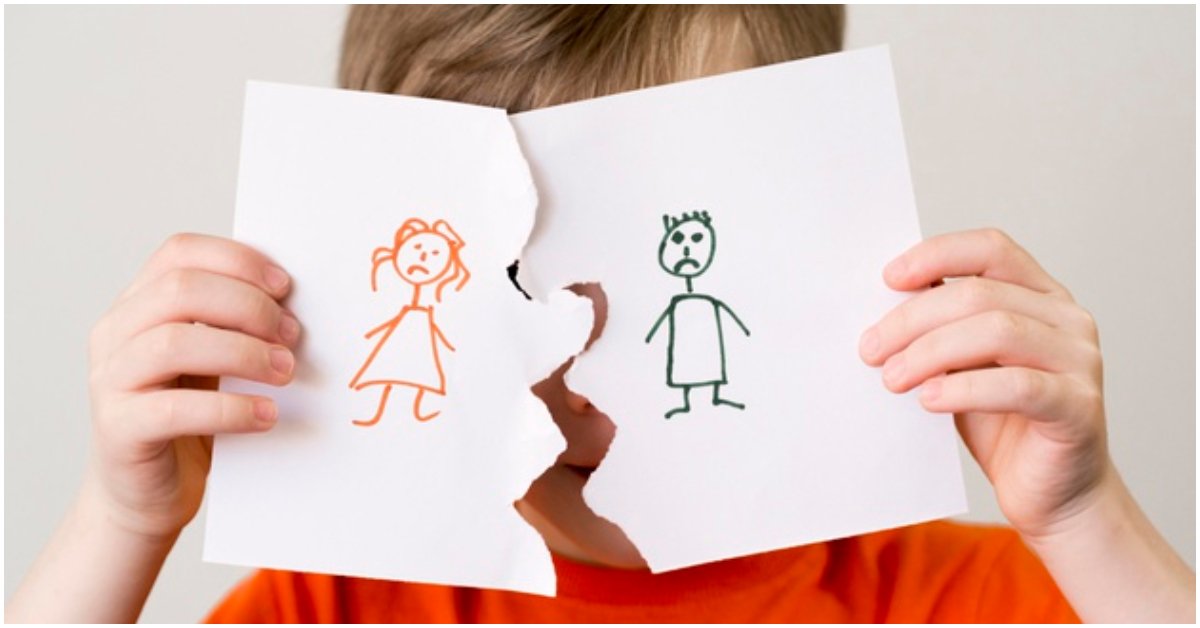
Children and Divorce is not only a separation between two adults. It is also a major change in a child’s world. For children, it can feel like their sense of safety has been shaken. Daily routines shift. Family life no longer feels the same. Many children struggle to understand why it is happening. Some feel confused. Others feel sad, angry, or even guilty. These emotions can show up in behavior, school performance, and relationships with others. How children respond often depends on their age, personality, and the level of support they receive. While divorce is challenging, its impact on children can be manage with the right guidance and care.
Understanding Divorce Through a Child’s Perspective
For adults, divorce is often seen as a legal or emotional decision between two partners. For children, it feels very different. They do not process it through legal terms or long explanations. Instead, they experience it as a change in their world, especially the world they know at home. A child’s first reaction to divorce is often confusion. They may not fully understand why one parent is moving out or why routines are changing. Even when parents explain it, younger children may struggle to grasp the idea that love between parents can end in separation.
Emotional Reactions and Behavioral Changes in Children
Children do not all react to divorce in the same way. Their emotional responses can vary widely depending on age, personality, and how the situation is handle by parents. However, there are some common patterns that often appear during and after a separation. It is important to understand that these reactions are not signs of “bad behavior.” They are signals that the child is struggling to process a major life change. Recognizing these emotional and behavioral shifts early can help parents respond with patience and support instead of punishment or frustration.

Age-Based Differences in Coping with Divorce
Children do not experience divorce in the same way at every stage of development. Their understanding, emotional control, and ability to express feelings depend heavily on their age. This is why reactions can look very different from one child to another in the same family. Infants and toddlers may not understand divorce, but they can still sense emotional changes in their environment. They often react to stress through changes in sleep patterns, feeding habits, or increased crying. At this stage, separation anxiety may become more noticeable, especially when routines are disrupt or caregivers are inconsistent.
School-age children
School-age children (around 6–12 years) have a better understanding of divorce but still struggle emotionally. They may feel sadness, anger, or loyalty conflicts between parents. At this stage, children often try to make sense of the situation logically, asking many questions. They may also start to worry about practical issues such as where they will live or how often they will see each parent. Academic performance and friendships may be affect due to emotional distraction.
Teenagers
Teenagers understand divorce more clearly but experience it on a deeper emotional and identity level. They may feel anger, disappointment, or even betrayal. Some teenagers withdraw emotionally from parents, while others may act out through rebellion or risky behavior. They may also take on adult-like responsibilities or feel pressure to “choose sides,” which can increase emotional stress.
Impact of Divorce on Academic and Social Life
Divorce does not only affect a child’s emotions at home. It can also influence how they perform in school and interact with others. These areas of life often reflect what the child is feeling internally. In academics, many children experience a drop in concentration. Their thoughts may be occupied with changes at home, making it harder to focus on studies. Homework may be ignore or complet without care. Even children who were previously high achievers can show sudden decline in grades. This is usually not due to lack of ability, but emotional distraction.
Common Psychological Challenges Children May Face
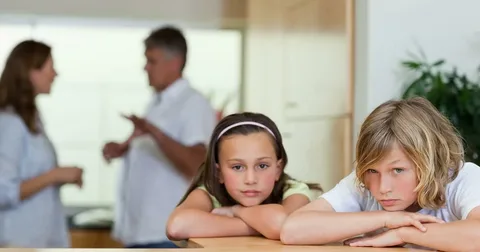
Divorce can leave a lasting emotional impact on children if their feelings are not properly understood or supported. While some children adjust over time, others may develop deeper psychological challenges that affect their confidence, behavior, and emotional health. One of the most common issues is chronic stress or anxiety. Children may constantly worry about the future—where they will live, how often they will see each parent, or whether their family will remain stable. This ongoing worry can make them feel tense, restless, or emotionally overwhelmed.
Guilt and self-blame
Guilt and self-blame are also frequent emotional struggles. Many children quietly believe that their behavior, mistakes, or lack of “goodness” caused the separation. Even when parents reassure them, these thoughts can persist and affect their self-esteem over time. Some children experience low self-worth. They may start seeing themselves as less important or less lovable. This can show up in negative self-talk, withdrawal from social situations, or reluctance to try new things due to fear of failure.
The Role of Parental Conflict in Child Adjustment
While divorce itself is a major change, research and real-life experience show that ongoing parental conflict often has a stronger impact on children than the separation itself. It is not only the breakup of the family that affects a child, but also how the parents behave toward each other during and after the process. When children are expose to frequent arguments, tension, or hostility, they often feel emotionally unsafe. Even if the conflict is not directly aimed at them, they absorb the stress in their environment. This can create constant anxiety and make home feel unpredictable.
Importance of Communication and Emotional Support
Clear communication and consistent emotional support play a critical role in helping children cope with divorce. When children are left with unanswer questions, they often create their own explanations—many of which are inaccurate and emotionally harmful. Honest, calm communication helps replace confusion with understanding. Consistency in communication is equally important. Mixed messages or sudden changes in explanations can increase anxiety. When both parents provide similar, calm messaging, children feel more secure and less confused about the situation.
Co-Parenting and Stability in a Child’s Life
After divorce, children adjust best when both parents continue to play active and consistent roles in their lives. This approach is known as co-parenting. It focuses on cooperation between parents for the child’s well-being, even if the marital relationship has ended. One of the most important elements of effective co-parenting is stability. Children rely on routines to feel secure. When schedules for school, meals, sleep, and visits remain predictable, it reduces anxiety. Sudden changes or unclear plans can make children feel unsettled and insecure.
Supporting Children Through Healthy Coping Strategies
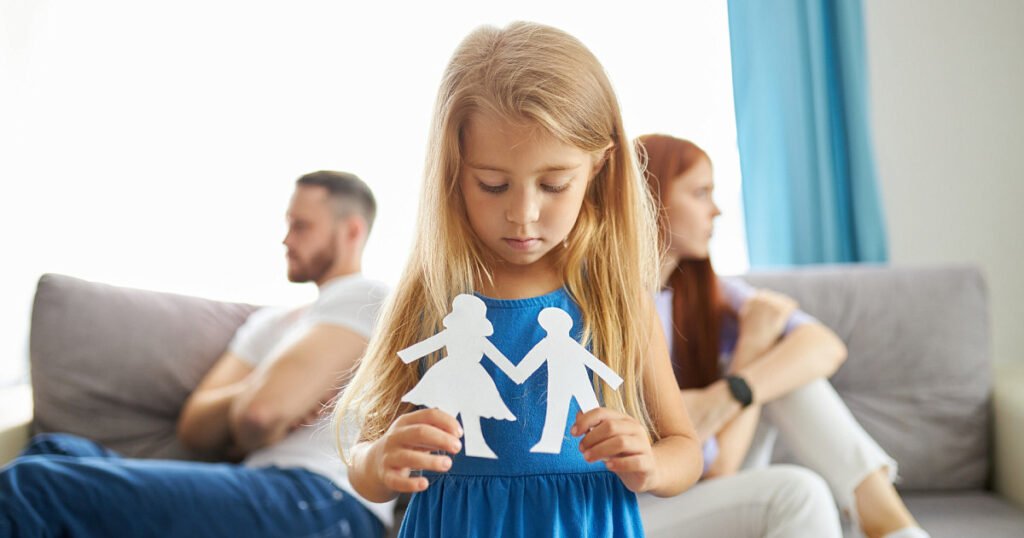
Children need time and guidance to process the emotional impact of divorce. Simply telling them that “everything will be fine” is not enough. They need practical ways to understand, express, and manage their feelings in a healthy manner. One of the most effective strategies is emotional validation. This means acknowledging what the child is feeling instead of dismissing it. When a child says they are sad, angry, or confused, responding with patience helps them feel understood. Validating emotions does not mean agreeing with all thoughts, but it does show that their feelings are real and acceptable.
Open expression of feelings
Open expression of feelings should also be encouraged. Children should be allowed to talk, draw, write, or express emotions in any safe form they are comfortable with. Some children find it easier to express emotions indirectly through activities rather than direct conversation. In some cases, professional support such as counseling or therapy can be very helpful. A trained counselor provides a neutral space where children can express thoughts without fear of upsetting either parent. This can be especially useful when emotions are intense or long-lasting.
Helping Children Adapt and Rebuild Security After Divorce
Adjustment after divorce is not immediate. For children, it is a gradual process of rebuilding trust, stability, and emotional security in a changed family structure. The goal is not to “forget” the divorce, but to help children feel safe and balanced again. One of the first steps is re-establishing a sense of normal life. Children need time to understand that daily life can still be stable even if parents live separately. Regular routines, consistent school attendance, and predictable schedules help create this stability over time.
Conclusion
Divorce is a major life change for children, affecting their emotions, behavior, and sense of security. While it can bring confusion and distress, its impact is not fixed or permanent. With the right support, children can adapt and recover in healthy ways. What matters most is how parents handle the transition. Calm communication, emotional reassurance, stable routines, and respectful co-parenting all play a powerful role in shaping a child’s adjustment. When children feel heard, supported, and loved by both parents, they are better able to cope with change.
FAQs
How does divorce usually affect children emotionally?
Children often experience sadness, confusion, anger, and anxiety. They may also feel insecure or blame themselves for the separation, even when it is not their fault.
Do all children react to divorce in the same way?
No. Reactions vary depending on age, personality, and the level of parental support. Some children show visible emotional changes, while others may withdraw or stay quiet.
At what age are children most affected by divorce?
All ages are affect, but the impact looks different. Younger children may show behavioral regression, while teenagers may experience emotional conflict, anger, or withdrawal.
Can divorce affect a child’s school performance?
Yes. Emotional stress can reduce concentration, motivation, and interest in studies, often leading to a drop in academic performance.
What is the biggest factor that influences how a child adjusts to divorce?
Parental conflict is one of the strongest factors. High conflict usually increases stress, while respectful co-parenting helps children adjust more smoothly.