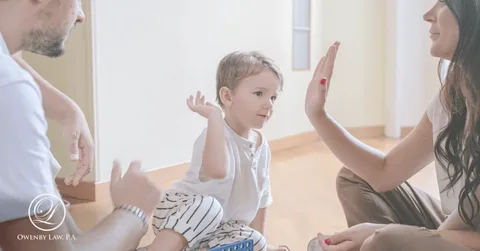
How parents guide for toddlers behavior can be joyful, curious, and full of energy—but they can also be unpredictable. One moment they are laughing, and the next they are having a meltdown. For many parents, this stage feels confusing and overwhelming. The truth is, toddler behavior is a normal part of development. They are learning how to express emotions, test limits, and understand the world around them. However, without the right guidance, these behaviors can quickly become stressful for both parents and children. This guide will help you make sense of your toddler’s actions. You’ll learn simple, practical ways to manage challenges, encourage positive behavior, and build a stronger connection with your child. Keep reading to discover strategies that actually work in real-life parenting.
Understanding Toddler Behavior and Development
How parents guide for toddlers behavior behavior can seem confusing, but it becomes easier to manage when you understand what is happening behind the scenes. Between the ages of one and three, children go through rapid physical, emotional, and mental growth. Their behavior is not random—it is closely tied to their development. Emotionally, toddlers are still developing self-regulation. They feel big emotions like frustration, anger, and excitement, but they do not yet have the skills to manage them. This often leads to tantrums, crying, or sudden mood changes. For example, a small problem like a toy not working can feel overwhelming to them. Language development also plays a major role in behavior. Many toddlers understand more than they can express. When they cannot communicate their needs clearly, they may act out through hitting, screaming, or throwing things. This is often a sign of frustration rather than bad behavior.
Common Behavioral Challenges in Toddlers
How parents guide for toddlers behavior comes with a range of behavioral challenges that can test any parent’s patience. These behaviors are very common and usually reflect a child’s developmental stage rather than intentional misbehavior. Understanding them helps you respond calmly and effectively. One of the most frequent challenges is tantrums. Toddlers often have emotional outbursts when they feel frustrated, tired, hungry, or overwhelmed. Since they cannot fully express their feelings with words, they may cry, scream, or throw themselves on the floor. While it may seem dramatic, tantrums are a normal way for toddlers to release strong emotions. Separation anxiety is another challenge many parents face. Toddlers can become upset when separated from their parents or caregivers, even for short periods. This is because they are still developing a sense of security and may fear being left alone.

The Importance of Consistent Parenting
Consistency is one of the most powerful tools in guiding toddler behavior. At this age, children are still learning what is expected of them. When rules and responses change frequently, it can confuse them and lead to more challenging behavior. Toddlers feel more secure when they know what to expect. Clear and consistent boundaries help them understand limits and develop self-control over time. For example, if hitting is not allowed, the response should be the same every time. Mixed signals—sometimes ignoring it and sometimes reacting strongly—can make it harder for them to learn.
Positive Discipline Strategies That Work
Disciplining a toddler does not mean punishing them harshly. At this age, discipline is about teaching, guiding, and helping them learn the right way to behave. Positive discipline focuses on respect, patience, and clear communication rather than fear or control. Positive reinforcement is also very powerful. When your toddler behaves well, notice it and praise it. Simple words like “Good job sharing” or “I like how you cleaned up” encourage them to repeat that behavior. Toddlers respond strongly to attention, so focusing on good actions can reduce negative ones. Using natural and logical consequences can also teach valuable lessons. For instance, if a child throws a toy, the toy can be taken away for a short time. This helps them connect their actions with outcomes in a clear and meaningful way.
Managing Tantrums Calmly and Effectively
Tantrums are one of the most challenging parts of parenting a toddler. They can happen suddenly and feel overwhelming, especially in public or stressful situations. However, tantrums are a normal part of development. They occur because toddlers are still learning how to handle strong emotions. The first step in managing tantrums is to stay calm. Your reaction sets the tone. If you respond with anger or frustration, the situation can escalate quickly. Taking a deep breath and keeping your voice steady helps your child feel more secure, even in the middle of an outburst. It is also important to recognize triggers. Tantrums often happen when a child is tired, hungry, overstimulated, or frustrated. Paying attention to patterns can help you prevent some meltdowns before they start. For example, maintaining regular meal and sleep times can reduce emotional overload.

Building Strong Communication with Your Toddler
Good communication is the foundation of guiding your toddler’s behavior. At this stage, children are still learning how to express their thoughts and feelings. When communication improves, many behavior problems naturally decrease. Start by using simple and clear language. Toddlers understand short sentences better than long explanations. Instead of saying, “You need to stop doing that because it’s not appropriate,” say, “No hitting. Be gentle.” Clear words make it easier for them to understand what you expect. It is equally important to listen actively. Even if your toddler cannot speak clearly, pay attention to their gestures, tone, and expressions. When they try to communicate, respond with interest. This shows them that their voice matters and encourages them to express themselves more.
Encouraging Good Habits and Social Skills
Teaching good habits and social skills during the toddler years lays the foundation for your child’s future behavior. At this stage, children are like sponges—they learn by observing, repeating, and practicing what they see around them. One of the most effective ways to encourage positive behavior is through modeling. Toddlers copy what adults do. If they see you speaking politely, showing patience, and treating others with kindness, they are more likely to do the same. Simple actions like saying “please” and “thank you” can quickly become habits when consistently demonstrated. Start with small, age-appropriate expectations. Toddlers are still learning, so keep instructions simple. Encourage habits like putting toys away, washing hands, or helping with small tasks. Praise their effort, even if it is not perfect. This builds confidence and motivates them to keep trying.
Creating a Supportive and Structured Environment
A how parents guide for toddlers behavior environment plays a big role in shaping their behavior. When children feel safe, comfortable, and supported, they are more likely to behave calmly and confidently. A well-structured environment reduces stress and helps toddlers understand what is expected of them. One of the most important elements is a consistent daily routine. Regular times for waking up, meals, play, and bedtime give toddlers a sense of stability. When they know what to expect, they feel more secure and are less likely to become overwhelmed or frustrated. A safe and child-friendly space is also essential. Toddlers are naturally curious and love to explore. If their environment allows safe exploration, you will spend less time saying “no” and more time encouraging learning. Childproofing your home and organizing toys within easy reach can make a big difference.

When to Seek Additional Help or Support
Most how parents guide for toddlers behavior behavior challenges are a normal part of growth and improve with time, patience, and consistent parenting. However, there are situations where extra support may be needed. Knowing when to seek help is an important part of responsible parenting. One sign to watch for is extreme or frequent aggression. Occasional hitting or biting can be normal, but if these behaviors are intense, frequent, or continue despite consistent guidance, it may be worth consulting a professional. Another concern is delayed communication skills. If your toddler has very limited speech for their age or struggles significantly to express basic needs, it can lead to ongoing frustration and behavioral issues. Early support can make a big difference in language development. You should also pay attention to persistent tantrums that do not improve over time. While tantrums are normal, they usually decrease as a child grows. If they become more intense or continue beyond the expected age range, it may indicate an underlying difficulty that needs attention.
Building Long-Term Positive Behavior in Toddlers
Helping toddlers develop good behavior is not about quick fixes. It is about building habits that last. This stage is the foundation for how children will manage emotions, interact with others, and respond to challenges in the future. Long-term positive behavior starts with patience and repetition. Toddlers do not learn everything at once. They need consistent reminders and practice. Even if progress feels slow, every small step is meaningful. Repeating simple rules and expectations helps them internalize good behavior over time. Another key factor is strengthening emotional security. When toddlers feel loved, safe, and understood, they are more likely to cooperate and less likely to act out. Regular affection, attention, and encouragement create a strong emotional base that supports healthy behavior.
Conclusion
Guiding toddler behavior is a journey that requires patience, consistency, and understanding. Every tantrum, refusal, or emotional outburst is part of your child’s natural development, not a sign of failure. When parents respond with calm guidance, clear communication, and positive discipline, toddlers gradually learn how to manage their emotions and behave appropriately. Over time, these small daily efforts build strong habits, emotional security, and better social skills. Remember, the goal is not perfection but progress. With steady support and love, your toddler will grow into a confident, respectful, and emotionally balanced child.
FAQs
How do I stop my toddler from having frequent tantrums?
Tantrums cannot be completely avoided, but they can be reduced. Keep routines consistent, ensure your toddler is well-rested and fed, and help them express emotions with simple words. Staying calm during tantrums also helps them settle faster over time.
What is the best way to discipline a toddler?
Positive discipline works best. Use redirection, simple rules, and clear consequences. Focus on teaching good behavior instead of punishing bad behavior. Consistency is key for long-term results.
Why does my toddler say “no” to everything?
Saying “no” is a normal part of developing independence. Toddlers use it to test boundaries and express control. Offer limited choices to reduce power struggles.
How can I improve my toddler’s behavior at home?
Create a structured routine, set clear expectations, and reward good behavior. A calm and supportive environment helps toddlers feel secure and behave better.
When should I worry about my toddler’s behavior?
You should seek advice if your toddler shows extreme aggression, very limited speech, lack of social interaction, or persistent behavioral issues that do not improve with time.