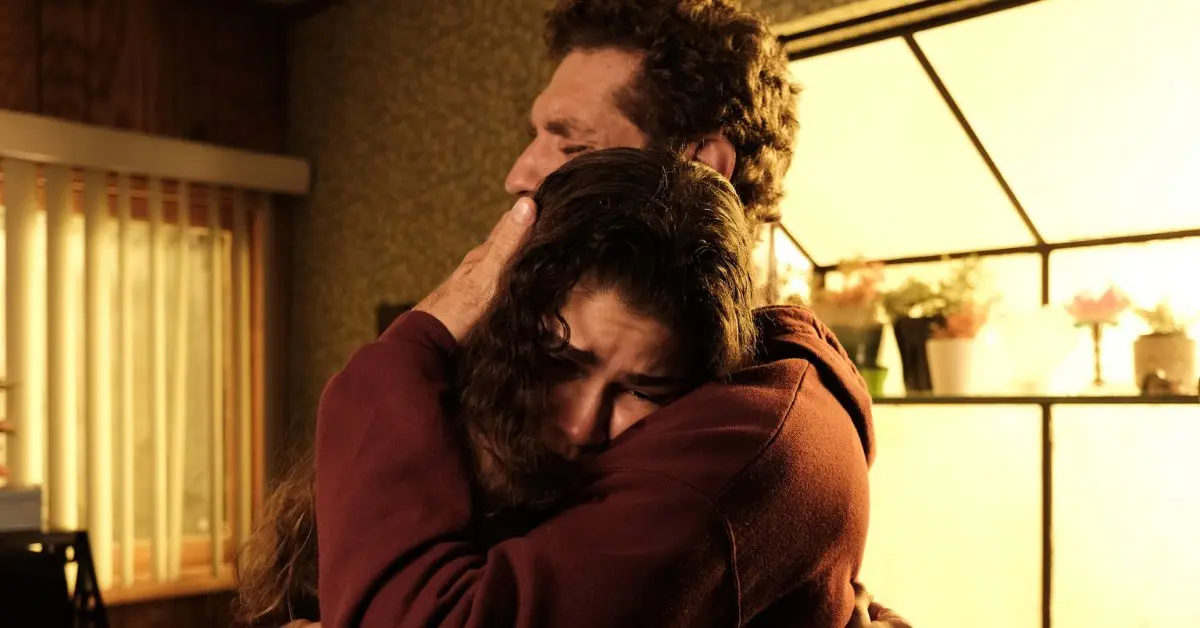
Euphoria parents guide is a hit TV show that explores the raw and complex lives of teenagers today. Its intense themes of drugs, sex, mental health, and violence can be shocking. As a parent, understanding what your teen watches is crucial. This guide will help you navigate the show’s content, discuss sensitive topics with your child, and make informed viewing decisions. Read on to learn how to protect and support your teen while staying aware of the challenges portrayed in Euphoria.
Understanding the Show and Its Themes
Euphoria parents guide is not a typical teen drama. It dives deep into the complex lives of adolescents, highlighting struggles that many parents may not be familiar with. The show covers intense themes such as substance abuse, sexual exploration, mental health issues, identity crises, and the pressures of social media. Each character represents a unique set of challenges, giving viewers a glimpse into the multifaceted realities of teenage life today.
Age Appropriateness and Ratings
Euphoria parents guide is rated TV-MA, meaning it is intended for mature audiences only. This rating is a clear signal that the show contains material unsuitable for children under 17. Parents should be aware that episodes feature graphic sexual content, drug and alcohol use, strong language, and intense emotional situations. Understanding the show’s age restrictions is critical for protecting your teen. While some older teenagers may be curious, exposure to such content at a young age can influence behavior, perception of relationships, and emotional well-being. The series’ depiction of substance abuse and risky behaviors is dramatized, but it can still normalize dangerous choices if not properly contextualized. Parents should also recognize that maturity levels vary greatly. Some teens may be able to watch and discuss the show responsibly, while others may be overwhelmed or confused. Knowing your child’s emotional readiness is just as important as checking ratings.

Parental Guidance Strategies
Watching Euphoria alongside your teen or guiding them through its content requires careful planning and communication. Parental guidance strategies help ensure your child processes the show responsibly without being overly shielded or exposed. Euphoria explores drug use, sexual relationships, mental health struggles, and violence. Offer context for these issues, emphasizing the consequences and healthier alternatives. For example, highlight support systems for mental health challenges or safe decision-making in relationships.
Addressing Sensitive Topics
Euphoria parents guide introduces intense and sensitive themes such as sexual activity, substance use, mental health struggles, and peer pressure. As a parent, your role is not just to monitor what your teen watches, but also to guide them through understanding these issues in a safe and realistic way. Characters in Euphoria face anxiety, depression, trauma, and self-harm. Use these depictions to normalize conversations about mental health. Let your teen know it’s okay to seek help, talk to trusted adults, or access professional resources when facing similar struggles.
Monitoring Viewing Habits and Online Influence
In today’s digital age, teens rarely consume content in isolation. Euphoria isn’t just a TV show—they encounter discussions, memes, fan theories, and clips online. Monitoring both what they watch and how they interact with related content is essential for keeping them safe and informed. Platforms like Ticktock, Instagram, and Twitter often amplify Euphoria’s mature themes. Teens may encounter fan content that’s more graphic or sensationalized than the show itself. Check in regularly about what they are seeing and discuss how online portrayals can differ from reality.

Helping Teens Process Emotions and Reactions
Euphoria parents guide is emotionally intense, and teens may experience a range of reactions—from curiosity and excitement to confusion, fear, or sadness. Parents play a critical role in helping them navigate these feelings safely. The show portrays mental health struggles, trauma, and self-harm. Remind your teen it’s okay to seek support—from you, school counselors, or mental health professionals—if they feel anxious, depressed, or overwhelmed by what they see. Teach healthy ways to manage emotions triggered by the show, such as journalism, exercising, talking with friends, or practicing mindfulness. This builds resilience and reduces the chance of unhealthy behaviors.
Making Informed Viewing Decisions
Deciding whether your teen should watch Euphoria requires careful consideration of their age, maturity, and emotional resilience. Making informed choices helps protect your teen while encouraging responsible media consumption. If you choose to allow viewing, establish rules regarding which episodes, scenes, or content are appropriate. Decide whether watching together is necessary and how much time can be spent on the show. Clear boundaries prevent exposure to material that could be harmful.
Resources for Parents and Teens
Navigating Euphoria’s mature themes can be challenging for both parents and teens. Fortunately, there are many resources to provide guidance, support, and information to help you manage these conversations effectively. Support groups, youth programs, or parent forums allow sharing experiences, strategies, and advice for handling mature content exposure. This can help parents feel less isolated and give teens a safe space to discuss their feelings. Organizations and websites provide guidance on media literacy, teen development, and talking about sensitive topics.
Encouraging Open Communication and Support at Home
Open communication is the cornerstone of guiding your teen through the intense themes of Euphoria. Teens need a safe environment where they can express feelings, ask questions, and explore their thoughts without fear of judgment or punishment. Make it clear that your teen can talk to you about anything they see on the show or experience in real life. Listen actively and avoid immediate criticism or overreaction, which can shut down dialogue. Show that issues like mental health struggles, peer pressure, and relationships are normal to discuss. This reduces stigma and encourages your teen to seek help when needed.

Setting Boundaries and Creating a Safe Viewing Environment
Creating a safe and structured environment for watching Euphoria helps protect your teen from inappropriate content while promoting healthy media habits. Clear boundaries give teens guidance without fostering rebellion or secrecy. Decide in advance which types of content are acceptable for your teen. For example, you might allow the show but skip particularly graphic sexual or violent scenes. Streaming platforms sometimes offer parental controls or content filters to help enforce these limits. Watching episodes together provides opportunities to pause, discuss, and explain complex themes. Shared viewing also helps you monitor emotional reactions and clarify misunderstandings in real-time.
Conclusion
Euphoria parents guide is a bold, intense show that explores the challenges teens face today. While its content can be shocking, parents can turn it into a learning opportunity by understanding the themes, setting boundaries, and fostering open communication. By guiding your teen through mature topics, monitoring viewing habits, and offering emotional support, you help them navigate complex situations safely and thoughtfully. With the right approach, Euphoria can spark meaningful conversations, build critical thinking, and strengthen the parent-teen relationship.
FAQs
What age is appropriate for watching Euphoria?
The show is rated TV – MA, intended for mature audiences 17 and older. Parents should consider emotional maturity, not just age, before allowing teens to watch.
How can I talk to my teen about the mature content in the show?
Watch episodes together or discuss scenes afterward. Ask open-ended questions, validate their emotions, and provide context about risky behaviors, mental health, and relationships.
Should I let my teen watch Euphoria alone?
It’s best to preview content and, if possible, watch together. Younger or sensitive teens should avoid unsupervised viewing until they can process mature themes responsibly.
How do I handle my teen being influenced by social media discussions about the show?
Monitor what they see online and discuss differences between online portrayals and real life. Encourage critical thinking about fan content, memes, or exaggerated scenes.
What if my teen feels anxious or upset after watching the show?
Validate their feelings and provide support. Encourage reflection, healthy coping strategies, or speaking with a counselor if needed. Emotional guidance is key.