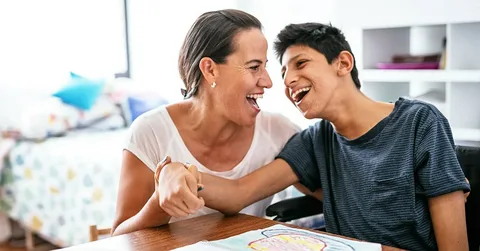
Parenting a child with a disability is a journey filled with love, learning, and constant adjustment. It is not a straight path, and it rarely looks the way parents first imagine. Every child is unique. When disability is part of the picture, parenting often involves new routines, different expectations, and unfamiliar challenges. But it also brings deep connection, resilience, and growth for the whole family. Many parents feel overwhelmed at first. Questions come quickly. What support is needed? How will daily life change? What does the future look like? These are natural concerns, and no parent has all the answers from day one.
Child’s Condition and the Early Adjustment Phase
The first step in parenting a child with a disability is understanding the condition itself. Every disability is different. It may affect physical movement, learning, communication, behavior, or a combination of these areas. Getting a clear diagnosis from qualified professionals helps parents know what they are dealing with and what support is needed. In the beginning, information can feel overwhelming. Medical terms, therapy plans, and long reports may be difficult to process. It is important to take it step by step. Ask questions. Request simple explanations. Keep notes so you can refer back later.
Emotional Strength and Mental Well-Being of Parents
Caring for a child with a disability is emotionally demanding. Parents often carry more than one role at a time—caregiver, advocate, therapist, and protector. This pressure can slowly affect mental health if it is not managed properly. Feelings of stress, guilt, or helplessness are common. Some parents blame themselves, while others feel isolated from friends or extended family. These emotions are normal, but they should not be ignored or suppressed. Support systems also play a major role. Connecting with other parents in similar situations can reduce feelings of isolation. Professional counseling can also help parents process emotions in a healthy way and learn coping strategies.

Building a Strong Support System
No parent should go through the journey of raising a child with a disability alone. A strong support system makes daily life more manageable and reduces emotional and physical strain. It also improves the child’s development by ensuring consistent care and access to the right resources. Support can come from many places. Family members are often the first layer. When grandparents, siblings, or close relatives understand the child’s needs, they can provide practical help like childcare, transportation, or simple emotional support. Even small contributions make a big difference over time.
Early Intervention, Therapy, and Learning Support
Early intervention plays a crucial role in helping children with disabilities reach their full potential. The earlier a child receives the right support, the better the chances of improving development, communication, mobility, and learning skills. Therapies are often a key part of this stage. Depending on the child’s needs, this may include speech therapy, occupational therapy, physical therapy, or behavioral therapy. Each therapy targets a specific area of development and helps the child build essential life skills step by step.
Creating an Inclusive Home Environment
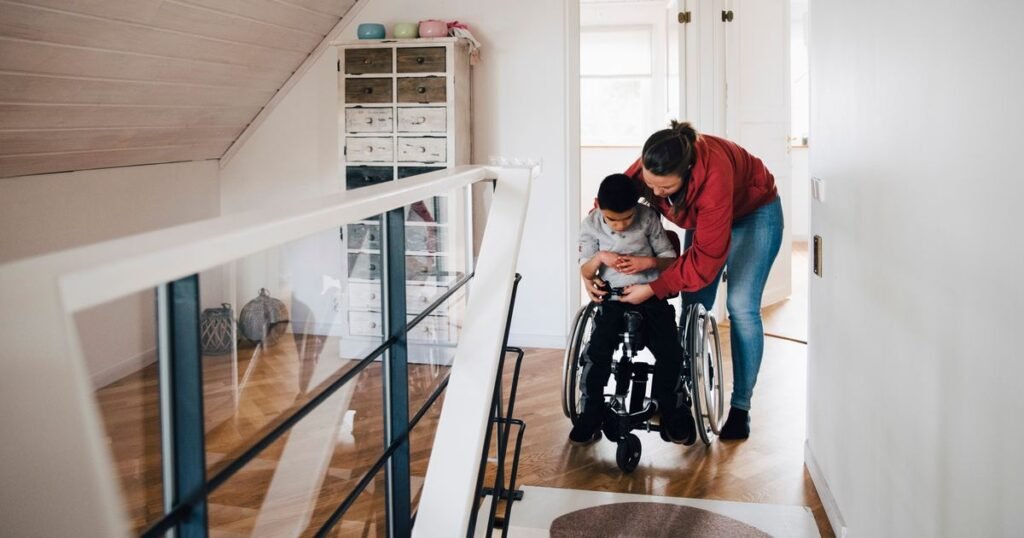
A child with a disability grows best in a home that feels safe, supportive, and adaptable to their needs. The home environment plays a major role in building confidence, independence, and emotional stability. Inclusion starts with attitude. When a child is treated as capable and valued, they begin to see themselves that way too. Families should focus on what the child can do, rather than only what they struggle with. This mindset shapes daily interactions and long-term development. Practical adjustments at home can also make a big difference. Simple changes like organizing spaces for easier access, using visual aids, or keeping routines consistent can help the child move through daily tasks with less frustration. The goal is to reduce barriers, not to limit independence.
Communication and Emotional Connection with Your Child
Communication is one of the most powerful tools in parenting a child with a disability. It is not only about speaking or giving instructions. It is about understanding your child’s needs, emotions, and ways of expressing themselves. Many children with disabilities communicate differently. Some may have delayed speech, limited vocabulary, or rely on gestures, facial expressions, or assistive tools. Parents need to learn and adapt to these unique communication styles instead of forcing standard methods. Patience is essential. Children may take longer to respond or may struggle to express what they feel. Giving them time without rushing or interrupting helps build confidence and reduces frustration.
Education and Long-Term Development Planning
Education for a child with a disability is not a one-size-fits-all path. It needs planning, flexibility, and regular adjustment based on the child’s abilities and progress. The goal is not just academic success, but overall development and independence. Choosing the right educational setting is an important first step. Some children benefit from inclusive mainstream schools with support, while others may do better in special education programs. The right choice depends on the child’s specific needs, learning style, and comfort level. Individualized learning plans are often essential. These plans break learning into smaller, achievable steps and focus on skills that are most relevant to the child’s daily life.
Social Inclusion and Building Confidence in Society
Social inclusion is a key part of a child’s overall development. It helps them feel accepted, valued, and connected to the world around them. For a child with a disability, positive social experiences can greatly improve confidence and emotional well-being. Many children face challenges in social settings. They may struggle with communication, feel different from peers, or experience misunderstanding. These experiences can lead to isolation if not addressed early. Parents play an important role in guiding and supporting social interaction. Encouraging participation in group activities is a strong starting point. Simple interactions like playing with neighborhood children, joining structured group classes, or attending community events help the child learn social skills in a natural environment.
Preparing for Independence and Future Transition
One of the most important long-term goals in parenting a child with a disability is preparing them for as much independence as possible. This does not happen suddenly. It is built slowly through daily practice, patience, and realistic planning. Independence looks different for every child. For some, it may mean managing personal care like dressing or eating. For others, it may include communication, mobility, or basic decision-making. The focus should always be on what the child can safely learn and maintain over time. Daily life skills are the foundation of independence. Simple routines such as brushing teeth, organizing belongings, or following a basic schedule help children build structure and responsibility.
Advocacy, Rights, and Access to Resources
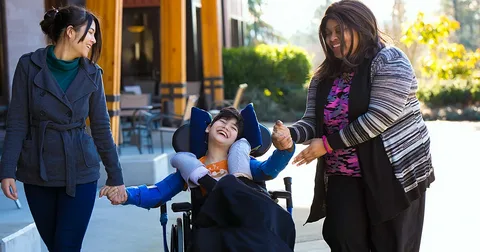
Advocacy is a vital part of parenting a child with a disability. It means standing up for your child’s needs and making sure they receive the support, respect, and opportunities they deserve in every setting. Many families face systems that are complex or difficult to navigate. Schools, healthcare services, and government programs may not always be easy to understand. Parents often need to learn how to ask the right questions, request services, and follow up consistently. Understanding your child’s rights is an important first step. In many places, children with disabilities are entitled to education support, therapy services, and protection against discrimination. Knowing these rights helps parents ensure their child is not left behind.
Conclusion
Parenting a child with a disability is a lifelong journey shaped by patience, learning, and continuous adaptation. It comes with challenges, but also with deep moments of growth, resilience, and connection. No parent is expected to have all the answers at once. What matters most is steady effort, informed decisions, and a willingness to keep moving forward. With the right support, understanding, and advocacy, children with disabilities can develop meaningful skills, confidence, and independence. Every small step counts, and every improvement builds toward a more stable and fulfilling future for both the child and the family.
FAQs
How do I start parenting a child with a disability after diagnosis?
Start by understanding the diagnosis clearly from medical professionals. Focus on learning about your child’s condition step by step, and avoid rushing. Early acceptance and seeking proper guidance are key first steps.
Can children with disabilities live independent lives?
Yes, many children can develop varying levels of independence depending on their condition and support. Life skills training, therapy, and consistent practice play a major role in building independence over time.
What is the most important thing parents should focus on?
Emotional stability, early intervention, and consistent support are essential. Just as important is creating a loving, patient environment where the child feels valued and understood.
How can I support my child’s learning at home?
Use simple instructions, repetition, and daily routines. Break tasks into smaller steps and celebrate small achievements. Working closely with teachers and therapists also helps reinforce learning.
How do I deal with stress as a parent?
Acknowledge your feelings and don’t ignore emotional fatigue. Take breaks when possible, seek support from family or groups, and consider professional counseling if needed.