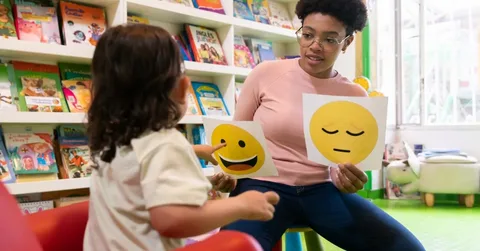
Raising Emotionally Intelligent Children. Emotional intelligence, often called EQ, is the ability to recognize, understand, and manage emotions—both one’s own and those of others. In children, this skill develops gradually through daily experiences, interactions, and guidance from adults. At its core, emotional intelligence is not about suppressing feelings. It is about understanding them and responding in a healthy way. A child who can say “I feel angry” instead of acting out is already building a strong emotional foundation.
Self-regulation
This involves managing emotions in a constructive way. It doesn’t mean avoiding strong feelings, but learning how to respond calmly instead of reacting impulsively. A child who learns to pause before reacting is developing this skill.
The Role of Parents in Emotional Development
Parents are the first and most powerful teachers of emotional intelligence. Children do not learn emotions from instructions alone—they learn by watching, experiencing, and interacting with you every day. The way you respond to your child’s needs plays a major role in their emotional development. A supportive and balance approach—where warmth is combine with clear boundaries—helps children feel secure while learning responsibility. In contrast, overly strict or overly permissive styles can limit a child’s ability to manage emotions effectively.
Consistency and everyday practice
Emotional learning happens in small, daily moments—during conversations, conflicts, and routines. Consistent responses help children understand expectations and build stability. Over time, these repeated experiences shape how they handle emotions independently. In the end, emotional intelligence is not something parents “teach” in one lesson.

Helping Children Recognize and Express Emotions
Children are not born with the ability to clearly understand or express their feelings. They experience emotions intensely, but often lack the words and awareness to explain them. Teaching this skill is one of the most important steps in building emotional intelligence. Children should feel comfortable talking about their emotions without fear of being dismissed. Listen attentively and avoid interrupting or correcting too quickly. Simple responses like “I understand” or “Tell me more” show that their feelings matter. This builds confidence in expressing themselves.
Use everyday moments as teaching opportunities
Daily situations offer natural chances to talk about emotions. Whether it’s a disagreement with a sibling or excitement about a small success, guide your child to reflect on what they felt and why. These real-life examples make emotional learning practical and relatable.
Developing Self-Regulation and Emotional Control
Self-regulation is a child’s ability to manage strong emotions and respond in a thoughtful way rather than reacting impulsively. It is a skill that takes time to develop, and it depends heavily on guidance, practice, and consistency. Children often act on impulse because they don’t yet know how to slow down their reactions. Encourage simple habits like taking a deep breath, counting to five, or stepping away from a situation. These small pauses create space between feeling and action.
Teach coping strategies for strong emotions
Give children practical tools to handle difficult feelings. This can include talking about what they feel, drawing, listening to music, or taking quiet time. Encourage them to choose what works best for them. Over time, they will learn to calm themselves without constant support.
Building Empathy and Social Awareness
Sympathy is the quality to realize and parcel the sensitivity of different. It helps children move beyond their own perspective and recognize that other people have emotions, needs, and experiences too. This skill is essential for building strong relationships and becoming socially aware. Start by helping children pay attention to emotional cues. Ask simple questions like, “How do you think your friend felt when that happen?” or “What do you notice about their expression?” These questions guide children to observe and reflect, rather than focus only on themselves.
Address unkind behavior constructively
When children act without empathy, respond with guidance rather than shame. Help them understand the impact of their actions and suggest better choices. This approach teaches responsibility while still supporting emotional growth. Building empathy takes time, but it plays a crucial role in a child’s overall development.

Strengthening Communication and Relationship Skills
Strong communication is at the heart of emotional intelligence. It allows children to express their thoughts clearly, understand others, and build meaningful relationships. These skills don’t develop automatically—they are learned through guidance and daily practice. Good communication starts with listening. Encourage children to pay attention when others are speaking, without interrupting. Simple habits like making eye contact, nodding, and responding thoughtfully help them understand others better. When children feel heard, they are more likely to listen in return.
Build confidence in conversations
Some children may hesitate to speak up, while others may dominate conversations. Help them find balance. Encourage shy children to share their thoughts, and teach more outspoken ones to give others space. This creates healthier and more equal interactions.
Encouraging Problem-Solving and Decision-Making
Emotionally intelligent children don’t just react to situations—they learn how to think through them. Problem-solving and decision-making skills help children handle challenges with confidence and reduce emotional overwhelm. When children face a difficult situation, guide them to pause and consider their options. Ask simple questions like, “What can you do about this?” or “What might happen if you choose that?” This helps them move from impulsive reactions to thoughtful responses.
Allow room for mistakes
Mistakes are a natural part of learning. Help them understand what went wrong and how they can improve. This builds resilience and confidence. As children develop problem-solving and decision-making skills, they become more capable of handling life’s challenges.
Managing Screen Time and External Influences
Children today are surrounded by digital content, social media, and constant stimulation. While technology can be useful, excessive or monitor exposure can affect emotional development. Managing these influences is an important part of raising emotionally intelligent children. What children watch and interact with shapes how they think and feel. Fast-paced content, unrealistic portrayals, or negative behavior can influence their mood, attention, and reactions.
Model balanced behavior
Children observe how adults use technology. If they see constant phone use or distraction, they are likely to copy it. Demonstrating balanced habits—like putting devices away during conversations—reinforces the importance of being present. Managing screen time is not about eliminating technology.
Long-Term Benefits of Raising Emotionally Intelligent Kids
Raising emotionally intelligent children is not just about managing childhood behavior. It is an investment in their future. The skills they learn today shape how they think, relate, and succeed in adult life. Children with strong emotional intelligence often perform better in school, not only because they are smart, but because they can manage stress, stay focus, and work well with others. Later in life, these skills translate into better teamwork, leadership, and adaptability in the workplace.

Greater self-confidence and independence
When children understand their emotions and know how to handle them, they become more confident. They don’t rely heavily on others to regulate how they feel. This independence helps them navigate new environments, challenges, and responsibilities with ease. Emotionally intelligent individuals contribute positively to their communities. They are more empathetic, cooperative, and respectful. This leads to healthier workplaces, stronger families, and more compassionate societies.
Final Thoughts on Raising Emotionally Intelligent Children
Raising emotionally intelligent children is not a quick process. It is a steady, everyday effort built on patience, awareness, and consistent guidance. There is no single method or perfect approach. Instead, it is shaped through countless small moments—how you respond, listen, and guide your child through their emotions. Children do not learn emotional intelligence from lectures. They learn it from experience. When they feel understood, they learn to understand others. When they are guide calmly, they learn to stay calm. As a parent, your influence is powerful.
Conclusion
Raising emotionally intelligent children is one of the most meaningful responsibilities of parenting. It goes beyond discipline or academic success and focuses on shaping how a child understands and manages emotions. Through daily guidance, consistent support, and positive role modeling, parents can help children build skills that last a lifetime. Emotional intelligence equips them to handle challenges, form healthy relationships, and make thoughtful decisions. While the journey requires patience and effort, the outcome is deeply rewarding—a confident, empathetic, and emotionally strong individual prepare for life’s complexities.
FAQs
What is emotional intelligence in children?
Emotional intelligence is a child’s ability to recognize, understand, and manage their own emotions while also understanding the feelings of others. It includes skills like empathy, self-control, communication, and social awareness.
At what age should parents start teaching emotional intelligence?
It can start as early as toddler age. Children begin learning emotions from daily interactions, even before they can speak clearly. Simple activities like naming feelings and responding calmly to emotions help from a very young age.
Can emotional intelligence really be taught, or is it natural?
While some children may naturally be more sensitive or expressive, emotional intelligence is largely learned. With consistent guidance, modeling, and practice, any child can develop strong emotional skills.
How can parents improve their child’s emotional intelligence at home?
Parents can help by talking about emotions regularly, listening without judgment, modeling calm behavior, setting healthy boundaries, and encouraging problem-solving instead of reacting impulsively.
What are signs of low emotional intelligence in children?
Frequent tantrums, difficulty expressing feelings, trouble understanding others’ emotions, and poor conflict resolution skills can be signs. However, these are normal at certain stages and improve with guidance.