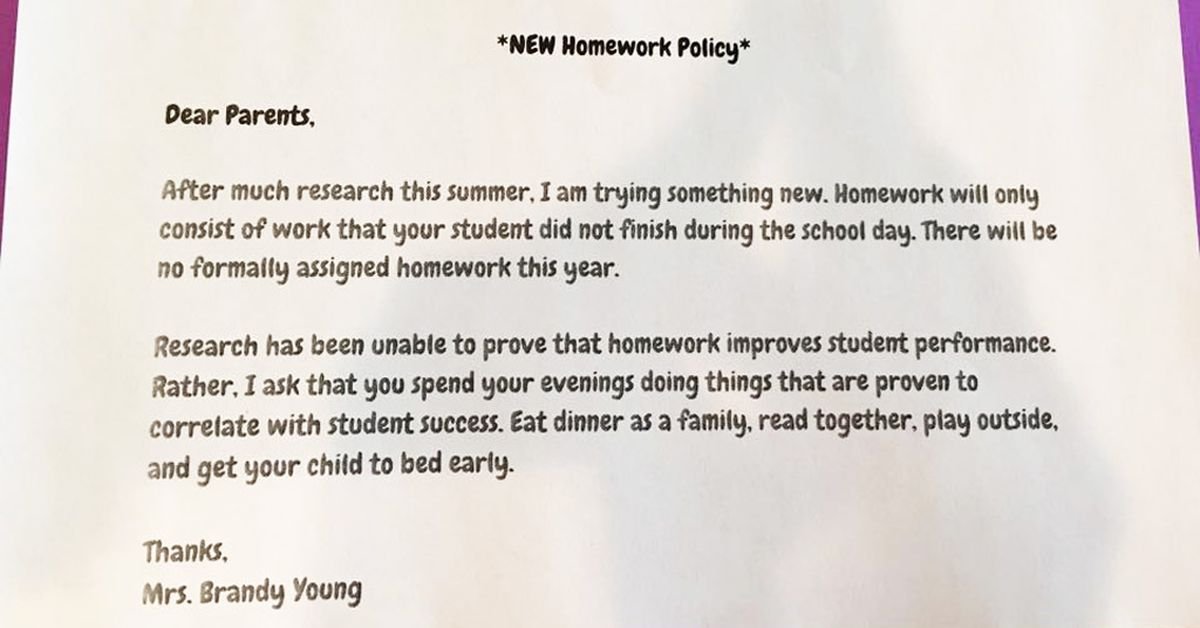
A parents consent letter is a simple but important written permission given by a parent or legal guardian. It confirms approval for a child to take part in an activity, travel, receive medical care, or attend an event. In many situations, verbal permission is not enough. Schools, hospitals, and travel authorities often require written proof. This is where a consent letter becomes essential. It protects both the child and the organization by clearly stating permission and responsibility. Without it, many processes can be delayed or even denied.
Situations Where a Consent Letter Is Needed
A parents consent letter is required in many everyday and official situations involving minors. It is used whenever a child needs permission from a parent or legal guardian to participate in an activity or receive services. Below are the most common situations where this letter becomes necessary. One of the most common uses is for travel. If a child is traveling alone, with one parent, or with a school group, a consent letter is often required. Immigration officers and airlines may ask for written proof that the parent has allowed the journey. This is especially important for international travel, where strict documentation rules apply.
Sports and Extracurricular Events
When children join sports camps, training sessions, or competitions, organizers often require consent letters. These activities may involve physical risk, so written approval from parents is necessary for safety and liability reasons. Guardianship or Temporary Care Arrangements. In cases where a child is staying with relatives, guardians, or caregivers for a short period, a consent letter may be needed.
Key Components of a Consent Letter
A well-written parents consent letter must include specific details to make it clear, complete, and legally acceptable. Missing important information can cause delays or rejection, so every section should be written carefully. Below are the essential components that should always be included. Child’s Full Details. The letter must clearly identify the child. This includes the full name, age, and sometimes date of birth. In cases of travel or official use, additional details like passport number or school ID may also be required. These details ensure there is no confusion about who the consent applies to.
Clear Statement of Consent
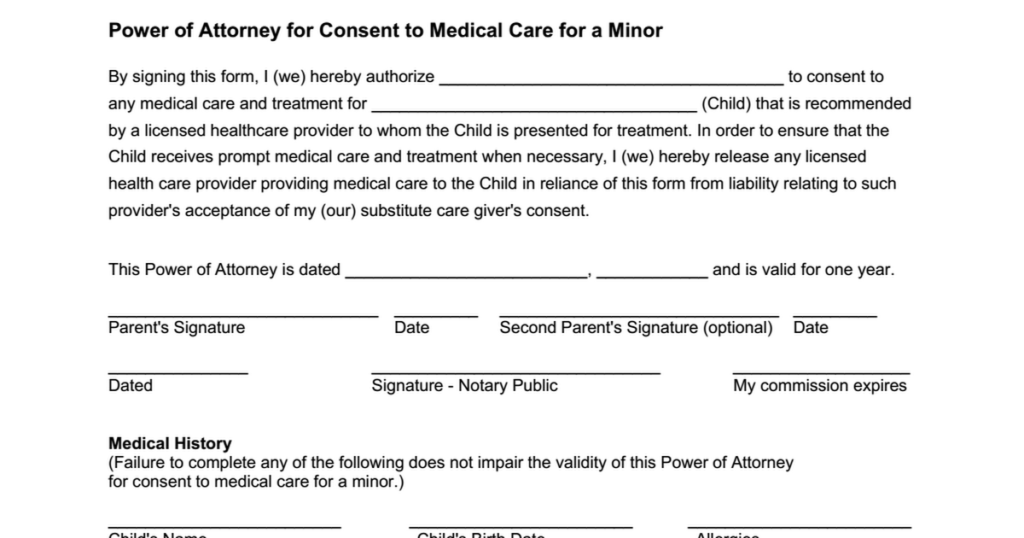
This is the most important part of the letter. It should clearly state what the parent is allowing. The statement must be simple and direct, such as permission for travel, medical treatment, or participation in an event. Avoid vague wording to prevent misunderstandings. Purpose of Consent. The letter must explain why the consent is being given. For example, it may be for a school trip, medical procedure, or travel abroad. Mentioning the purpose helps authorities understand the context of the permission.
Legal Importance and Validity
A parents consent letter is more than just a formality. It carries legal importance in many situations involving minors. It serves as written proof that a parent or legal guardian has given permission for a child to take part in an activity, receive treatment, or travel. Legal Authorization and Protection. The main legal role of a consent letter is authorization. It allows institutions such as schools, hospitals, and travel authorities to proceed with confidence. Without this document, they may not be legally allow to involve a minor in certain activities. It also protects both the organization and the parent by clearly stating consent in writing.
Evidence in Case of Disputes
A signed consent letter can act as evidence if any disagreement or legal issue arises later. For example, if questions come up about a child’s participation in an activity, the letter serves as proof that permission was grant. This reduces confusion and helps resolve disputes more easily. Notarization and Official Verification. In some cases, a simple signed letter is not enough. Authorities may require notarization to confirm authenticity. A notarized consent letter is certified by a legal official.
Step-by-Step Guide to Writing a Consent Letter
Writing a parents consent letter is simple if you follow a clear structure. The goal is to make the letter easy to understand, complete, and formally acceptable. Below is a step-by-step guide to help you write it correctly. Start with Date and Basic Formatting. Begin the letter by adding the date at the top. This shows when the consent was given. If required, you may also include the recipient’s name or organization, such as a school, hospital, or travel authority. Proper formatting gives the letter a professional look.
Provide Child’s Details
Include the child’s full name and any other required information like age, school name, or identification number. This ensures the consent applies to the correct individual. Clearly State the Consent. Write a direct statement of permission. Be specific about what you are allowing, such as travel, participation in an event, or medical treatment. Avoid unclear or general wording.
Sample Format of a Parents Consent Letter
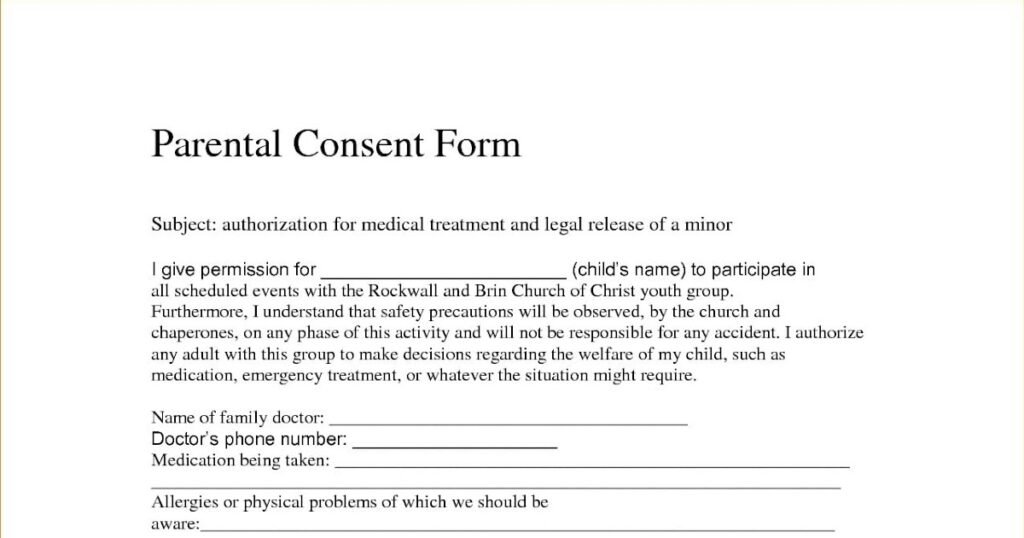
A well-structured parents consent letter follows a simple and formal format. Having a clear template helps ensure that no important detail is miss. Below are sample formats you can use and adjust according to your specific need. [Parent/Guardian Full Name], am the legal parent/guardian of [Child’s Full Name], aged [Age]. I hereby give my full consent for my child to [state purpose clearly, e.g., participate in a school trip / attend an event / receive medical treatment]. The purpose of this consent is [brief explanation of reason]. This permission is valid from [start date] to [end date / specific event date]. I confirm that I understand the nature of this activity and take full responsibility for granting this permission. In case of any emergency, I can be contact at: [Phone Number / Email].
Common Mistakes to Avoid
A parents consent letter must be clear, complete, and accurate. Even small mistakes can cause delays, rejection, or confusion. To make sure your letter is accept without issues, avoid the following common errors. Missing Important Details. One of the biggest mistakes is leaving out key information. This includes the child’s full name, parent’s contact details, or the purpose of consent. Missing details can make the letter invalid or unusable for official purposes.
Incorrect Dates or Time Period
Not mentioning proper dates is a frequent mistake. A consent letter must clearly state when the permission starts and ends. Without a time frame, authorities may reject the document or request clarification. No Signature or Verification. A consent letter is not valid without the parent or guardian’s signature. In some cases, people also forget to add the date or fail to get the letter notarize when required. This reduces its legal acceptance.
Tips for Writing an Effective Consent Letter
A well-written parents consent letter is simple, clear, and fully compliant with requirements. Following a few practical tips can make your letter more effective and widely accepted in schools, hospitals, and travel authorities. Use Clear and Simple Language. Always write in straightforward language. Avoid complex words or long sentences. The goal is to make your permission easy to understand at first reading. Clear communication reduces confusion and delays.
Keep the Format Professional
Use a proper structure with date, subject, body, and signature. A neat format shows seriousness and makes the document look official. It also helps authorities quickly find important details. Double-Check All Information. Before finalizing the letter, carefully review names, dates, and contact details. Even small errors can create problems. Accuracy is essential for legal and administrative acceptance.
Differences Between Consent Letter Types
Parents consent letters are not all the same. The content and tone change depending on the purpose. While the basic structure remains similar, each type focuses on different details. Understanding these differences helps you write the correct letter for each situation. Travel Consent Letter. A travel consent letter is us when a minor is traveling alone, with one parent, or with a group such as a school tour. This type focuses heavily on travel details like destination, travel dates, mode of transport, and accompanying adults.
Medical Consent Letter
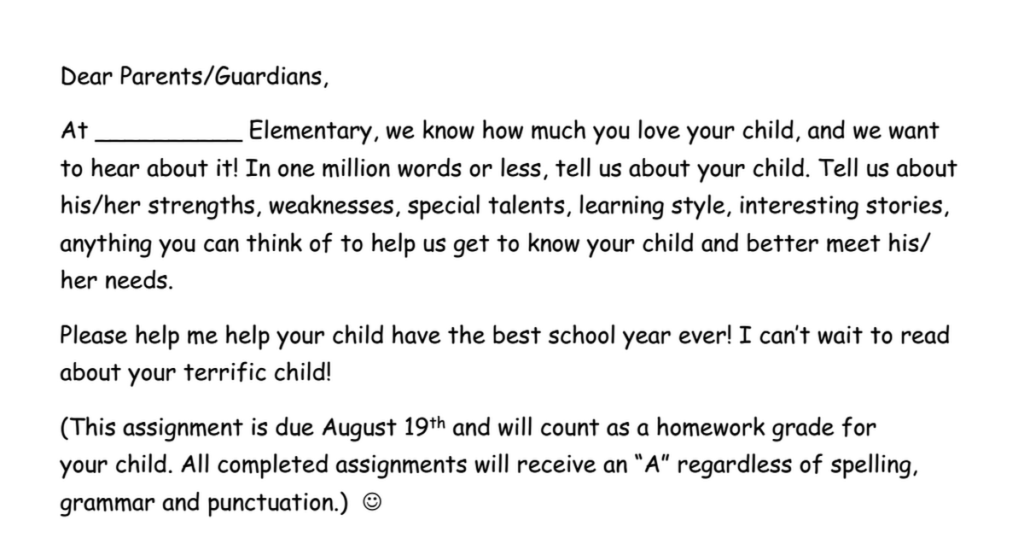
A medical consent letter is require when a child needs medical treatment, surgery, or emergency care. This type is more serious and focuses on granting permission to doctors or hospitals to proceed with treatment. It may include medical history, allergies, and authorization for emergency procedures. In urgent cases, this letter helps doctors act quickly without waiting for parental presence.
Conclusion
A parents consent letter is an essential document that ensures proper authorization whenever a minor is involve in travel, education, medical care, or other official activities. It provides clear proof of parental permission and helps prevent legal or administrative issues. By understanding its purpose, structure, and proper format, parents and guardians can easily create a reliable and effective letter. In the end, a well-prepared consent letter not only simplifies formal procedures but also ensures the safety, responsibility, and protection of the child in every situation.
FAQs
What is a parents consent letter?
A parents consent letter is a written document where a parent or legal guardian gives permission for a child to participate in an activity, travel, or receive medical treatment. It serves as official proof of approval.
When is a parents consent letter required?
It is commonly require for school trips, medical procedures, international or domestic travel, sports events, and when a child is under temporary care of another person.
Who can write a consent letter for a child?
Only a parent or legal guardian can write and sign a consent letter. In some cases, both parents may need to sign, depending on legal or institutional requirements.
Is notarization necessary for a consent letter?
Not always. However, for international travel or legal matters, some authorities may require the letter to be notarize for added authenticity.
What details should be included in a consent letter?
It should include the child’s details, parent or guardian information, purpose of consent, duration, emergency contact details, and a signature with date.